
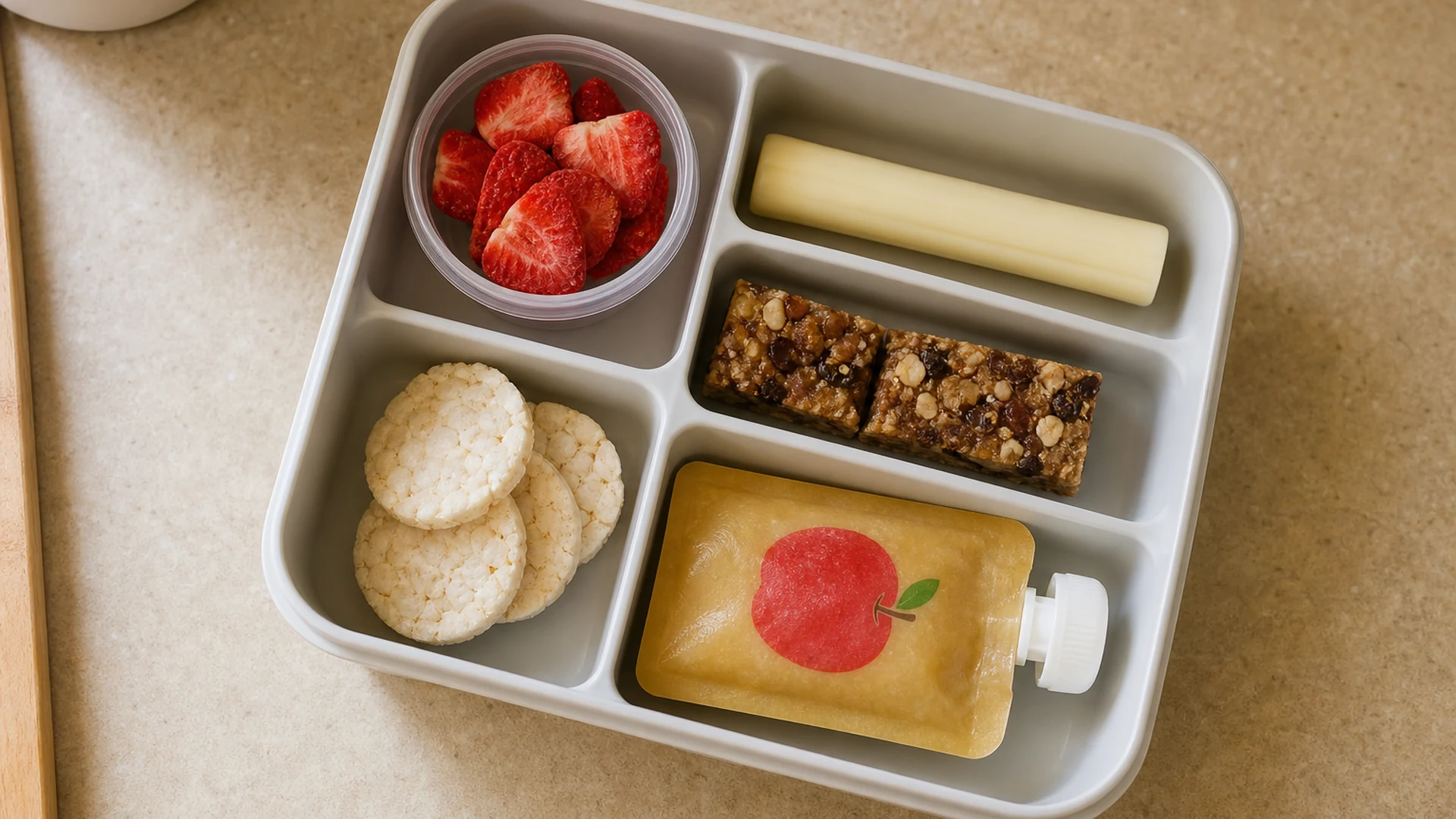
The word “organic” was doing a lot of work on the front of the package. Then I checked the current Annie’s Bunny Fruit Snack labels: depending on the variety, one pouch lists 10–12 grams of added sugar. That’s roughly 40–50% of the American Heart Association’s 25-gram daily ceiling in one small snack.
That sent me through the rest of the category. I compared popular kids’ snacks by added sugar, total sugar, ingredients, format, storage, school-policy constraints, and the practical trade-offs that actually change a decision. The useful surprise wasn’t that every packaged snack was “bad” — it wasn’t. It was how often the front of the package told a different story from the Added Sugars line.
If you want the full picture on daily sugar limits first, my guide on how much sugar kids should have per day covers both the AHA numbers and the 2025–2030 Dietary Guidelines. Otherwise, here’s where the comparison landed.
Table of Contents
- What “sugar-free” actually means on a label
- Low-Sugar Picks Worth Comparing
- Find Your Best Snack Match
- What didn’t make my list (and why)
- Shelf-Stable Backups for the Car or Bag
- Swapping candy without a fight
- Frequently Asked Questions
- Best Sugar-Free Snacks for Kids: Final Thoughts
What “sugar-free” actually means on a label
Added sugar = sugar added during manufacturing. This is the number that matters for the AHA daily limit; you’ll find it indented under “Total Sugars” on the nutrition facts panel.
Total sugar = added sugar + naturally occurring sugar (from fruit, dairy, etc.). A product can have 10g total sugar and 0g added sugar. That’s fine.
“Sugar-free” vs “no added sugar”: Not the same. “Sugar-free” means under 0.5g of any sugar per serving. “No added sugar” means nothing was added, but natural sugars from fruit or dairy may still be present.
Quick example: The current GoGo squeeZ Apple Apple label lists 0g added sugar and 12g total sugar. That’s a useful reminder that a fruit pouch can taste sweet without contributing added sugar — and that the Added Sugars line matters more than guessing from taste.
One thing the standard label guides skip: some snacks marked “sugar-free” use sugar alcohols such as xylitol, erythritol, or sorbitol. In enough quantity these can cause gastrointestinal symptoms in some people, so the ingredient list still matters — especially if a child already has a sensitive stomach. For a full label walk-through, this label guide covers the rest.
Higher-Sugar Labels vs. Lower-Sugar Swaps
This is the comparison table I wanted when I started digging through labels. It is a snapshot, not a permanent database: formulas and serving sizes change, so check the package you are buying.
| Higher-Sugar Example | Added Sugar | Lower-Sugar Option | Added Sugar | Why It Made the Cut | Trade-Off / Note |
|---|---|---|---|---|---|
| Annie’s Organic Bunny Fruit Snacks | 10–12g depending on variety | Natierra freeze-dried strawberries | 0g on the label checked | Fruit-only format; concentrated sweetness without added sugar | Usually pricier than fresh fruit; check current package |
| Flavored kids’ yogurt | Varies — check the Added Sugars line | Plain or lower-sugar yogurt + fruit | Depends on yogurt and add-ins | Keeps the same spoonable / tube-style snack role | Needs cold storage; compare exact labels |
| Sweetened snack bar | Often several grams; varies by product | LÄRABAR Original Apple Pie | 0g | Six ingredients; portable; no added sugar on the current label | Contains almonds and walnuts; 18g total sugar |
| Sweetened fig / fruit bar | Varies by brand and flavor | Dried mango — Made In Nature | 0g added sugar | 100% fruit; no added sugar | Natural sugar is concentrated; portion from the bag |
| Sweetened / flavored rice cakes | Varies by flavor | Plain or savory mini rice cakes | Often 0g; check label | Same crunchy format without relying on sweetness | Hummus adds substance but needs cold storage and may contain sesame |
The Annie’s label is still the cleanest example of the larger point: “organic” describes how ingredients are produced; it does not mean low added sugar. Current Bunny Fruit Snack labels range from 10g to 12g added sugar depending on the variety. GoGo squeeZ Apple Apple makes the opposite point just as well: its current label lists 0g added sugar despite 12g total sugar. Front-of-pack impressions are not enough — compare the actual Added Sugars line.
Low-Sugar Picks Worth Comparing
I organized these by the job the snack needs to do. The comparison criteria are simple: Added Sugars, ingredients, portability, storage, allergy/school constraints, and whether the format is realistic for the situation. That is the methodology behind the shortlist — not a claim that I personally fed every item to children.
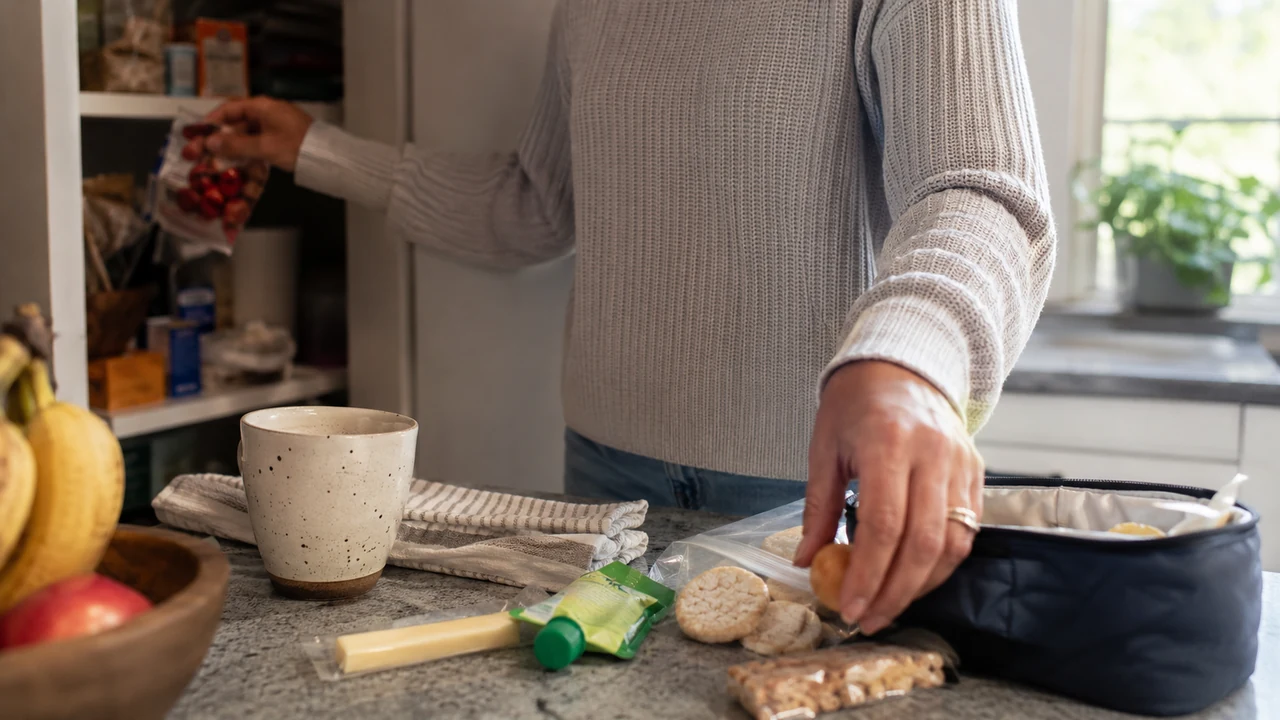
Crunchy snacks
| Snack | Added Sugar | Total Sugar | Practical Appeal | School / Storage Note |
|---|---|---|---|---|
| Freeze-dried strawberries (Natierra) | 0g | Varies by bag size — check current label | Fruit-only, crunchy, naturally sweet | Shelf-stable; check package and school policy |
| Freeze-dried apples (Brothers-All-Natural) | 0g | Varies by product / serving — check label | Single-serve fruit format with no added sugar on the label checked | Shelf-stable; check package and school policy |
| Plain or savory rice cakes | Often 0g — check label | Varies by flavor | Savory, crunchy alternative to sweet snacks | Shelf-stable alone; hummus needs cold storage and may contain sesame |
| Lightly salted popcorn (SkinnyPop) | 0g | 0g | Portioned bags; 0g added sugar on the current Original label | Shelf-stable; popcorn is not recommended for children under 4 |
| Roasted seaweed snacks (Gimme Organic) | 0g | 0g | Very light, savory option; distinctive seaweed flavor | Shelf-stable; check ingredients and school policy |
For a sweet shelf-stable snack, freeze-dried fruit is worth comparing—but the exact package and setting still matter.
Natierra Freeze-Dried Strawberries keep a sweet, crunchy format without added sugar when the ingredient list is simply fruit.
The trade-off is cost: ounce for ounce, they are usually more expensive than fresh fruit. For school, “nut-free” is not the same as “allergen-free,” so check the current package and the school’s policy before packing.
Sweet snacks and fruit-based
This is where label reading matters most. Two snacks can look almost identical from the front while the Added Sugars line tells a completely different story. Worth checking every flavor and size — even within brands you already recognize.
- GoGo squeeZ Apple Apple — the current label lists 0g added sugar and 12g total sugar. Shelf-stable and easy to compare because the manufacturer publishes the label.
- Plain or lower-sugar yogurt — compare the Added Sugars line against the flavored version you normally buy. Add fruit if you want sweetness. Needs an ice pack.
- Dried mango, no sugar added (Made In Nature) — the current product is 100% fruit with no added sugar. Natural sugar is concentrated, so portion it from the bag rather than treating dried fruit like fresh fruit ounce-for-ounce.
- Fruit + nut/seed-butter pouches — potentially useful for a more substantial portable snack, but labels vary. Check added sugar and the school’s peanut/tree-nut or seed policy before packing.
GoGo squeeZ Apple Apple is useful here for a different reason than the old version of this article suggested: the current product already lists 0g added sugar and 12g total sugar. There isn’t a current “regular sweetened GoGo vs. unsweetened GoGo” swap to make. The lesson is to verify the product that is actually on the shelf instead of carrying an old label comparison forward.
Dried mango is a good example of why “0g added sugar” does not mean “unlimited.” Drying removes water and concentrates the fruit, so a small portion is physically much smaller than the equivalent amount of fresh fruit. I would portion it from the bag rather than hand over the whole package.
Bars and other portable snacks
| Snack | Added Sugar | Total Sugar | Why It Made the Cut | School / Storage Note |
|---|---|---|---|---|
| LÄRABAR Original Apple Pie | 0g | 18g | Six ingredients; portable; no added sugar on the current label | Contains almonds and walnuts — not appropriate for nut-free settings |
| GoGo squeeZ Apple Apple | 0g | 12g | Fruit pouch format; no added sugar on the current label | Shelf-stable; check package and school policy |
| SkinnyPop Original 100-cal bag | 0g | 0g | Portioned savory option | Not recommended for children under 4 because popcorn is a choking hazard |
| Chomps Original Beef Stick | 0g | 0g | Shelf-stable; 10g protein on the current label | Check sodium and age-appropriate chewing; follow package guidance |
For a shelf-stable bar, the school setting matters as much as the label.
LÄRABAR Original Apple Pie is the bar I would put at the top of this comparison when nuts fit the setting: the current label lists 0g added sugar, 18g total sugar, and six ingredients.
Almonds and walnuts rule it out for many school settings, which is exactly why a strong pick still needs a clear “not for this use case” note.
Protein snacks
- String cheese — typically 0g added sugar. Needs an ice pack for school or travel.
- Hard-boiled egg — 0g added sugar. Ice pack or refrigeration required.
- Dry-roasted edamame — often 0g added sugar and shelf-stable. Remember that soy is a major allergen, so check the child and school policy.
- Mini cheese rounds — typically 0g added sugar. Treat them as perishable for school/travel and keep them cold according to package guidance.
String cheese and mini cheese rounds are boring in the best possible way: familiar formats, typically 0g added sugar, and easy to pair with fruit or crackers. They are not exciting — and that’s fine. Reliable at 7am is worth more than interesting at 7pm. Just keep them cold.
Find Your Best Snack Match
Choose when you need the snack and how picky your child is. I’ll narrow the list to three practical options.
When do you need this snack?
What didn’t make my list (and why)
I’m including this section because I think it’s more useful than adding another product to the list. These are categories that lost points in the comparison, with the reason made explicit.
Annie’s Organic Bunny Fruit Snacks. The current labels I checked list 10g added sugar for Tropical Treat and Berry Patch and 12g for Summer Strawberry. Organic certification does not mean low added sugar. That’s why this category belongs in a label comparison rather than an automatic “healthy snack” bucket.
Sweetened fig bars. The fruit-forward name can make the category look lower-sugar than it is. Added sugar varies by brand and flavor, so I would compare the current label rather than treating “fig” as a shortcut for low sugar.
Sweetened rice cakes. Plain and savory versions can be 0g added sugar, while caramel/chocolate versions can add sugar. It is not a dramatic difference in every product; it is simply another category where the flavor name is not enough — check the label.
Fruit leather. This category is too inconsistent for a blanket recommendation. Some products list 0g added sugar; others use added sweeteners or concentrates depending on the formulation. Check the current Added Sugars line and ingredients. For a deeper look at why these labels get confusing, my hidden sugar article goes through the specifics.
Flavored kids’ yogurt. Yogurt gets a health halo from protein and dairy nutrients, but the Added Sugars line still varies widely by product and flavor. Compare the flavored version with a plain or lower-sugar option and decide whether the added sweetness is worth the trade-off. I would rather show that comparison than declare an entire yogurt category good or bad.
The products that missed the list all point back to the same skill: compare the label, not the health halo. If you want a repeatable way to do that beyond this snack list, use the checklist below.
Take the Hidden Sugar Checklist to the Snack Aisle
Inside: the 30-second label check, current label examples, common added-sugar names, practical swaps, and fridge-and-shop checklists.
Get the checklist and practical kids’ nutrition tips. Unsubscribe anytime.
Something went wrong. Please check your email address and try again.
Shelf-Stable Backups for the Car or Bag
School pickup, sports practice, someone’s hungry before dinner: this is a different job from a refrigerated lunchbox snack. For a car or bag backup, I would prioritize sealed, shelf-stable foods and keep perishable cheese, yogurt, eggs, and hummus in an insulated bag with a cold source.
- SkinnyPop Original single-serve bags. Current label: 0g added sugar; shelf-stable. Important: the manufacturer says popcorn is not recommended for children under 4 because of choking risk.
- LÄRABAR Original Apple Pie. Shelf-stable and 0g added sugar on the current label. Contains almonds and walnuts, so it is not appropriate where nut restrictions apply.
- Freeze-dried strawberry or mango bags. Shelf-stable, light, and naturally sweet. Check the exact label for added sugar and allergen statements.
- Chomps Original Beef Stick. Current label: 0g total sugar, 0g added sugar, and 10g protein. Check sodium and whether the texture is age-appropriate for your child.
- GoGo squeeZ Apple Apple. Shelf-stable, 0g added sugar on the current label, and no cooler required.
Swapping candy without a fight
I don’t think a lower-sugar snack strategy needs to turn candy into a forbidden category. The useful distinction is frequency: make the everyday options easier to defend, and let an occasional birthday cupcake be a birthday cupcake.
Swapping to low sugar snacks for kids doesn’t mean banning everything sweet. It means giving the repeated, ordinary snacks a better baseline so special-event food does not need to carry the weight of the whole diet.
Instead of gummy bears or fruit snacks: Freeze-dried strawberries or mango. They keep a concentrated, sweet, snacky format while avoiding added sugar when the ingredient list is just fruit.
Instead of a sweetened bar: LÄRABAR Original Apple Pie. The current label lists 0g added sugar; the sweetness comes from dates, apples, and raisins. It contains almonds and walnuts, so this is not a nut-free-school option.
Instead of a sugar-sweetened drink: Water or unsweetened sparkling water can keep the drink ritual without added sugar. If the drink is 100% juice rather than a sugary fruit drink, remember that juice has different guidance: it has no added sugar when unsweetened, but the AAP still recommends age-based portion limits.
Instead of a sweetened granola bar at school pickup: String cheese plus fruit can make a more substantial snack than either item alone. Keep the cheese cold until serving.
For birthday parties and classroom treats: Follow the classroom’s allergy and food-safety rules first. And at someone else’s party, a cupcake can just be a cupcake. Balance is a more useful goal than trying to engineer every special occasion.
Frequently Asked Questions
Best Sugar-Free Snacks for Kids: Final Thoughts
Finding the best sugar-free snacks for kids does not require a full pantry overhaul. Start with the snack that repeats most often, check its Added Sugars line, and compare it with an option that fills the same practical role. The easiest swaps preserve the format — pouch for pouch, crunchy for crunchy, portable for portable — while improving the label. If you’re only making one change this week, start there, then use the daily sugar guide to put the number in context.
Important: I’m Sarah Malik, the editorial voice behind Healthy Boulder Kids, not a medical or nutrition professional. Sugar guidance here is general information; product nutrition and formulations can change, so always check the current label before purchasing. Recommendations are based on research and comparison, not invented family testing. Affiliate links are disclosed; see the full Affiliate Disclosure and Privacy Policy.