

A rough cold season — several colds stacked close together, a kid who seems to catch everything going around — is usually what sends a parent to the pharmacy aisle marketed as “natural immune support”: elderberry gummies, vitamin C drops, probiotics with a premium price tag. None of it comes with instructions for how to know if it’s actually working, which makes it easy to just keep adding things to the routine and hoping.
So I sat down and actually looked at what the research says. Two things stood out: some of what parents commonly try has real evidence behind it, and a lot of it doesn’t. The natural ways to support kids’ immune system with the strongest evidence weren’t supplements at all.
Here’s what the research actually shows — what holds up, what has weak or no evidence, where supplements might have a genuine role, and a practical way to figure out where to start.
Table of Contents
- Why Kids Get Sick More Than Adults
- Foundation First: Where the Evidence Actually Points
- What the Research Shows for Common Supplements
- What Actually Works (Evidence Table)
- What Supplements to Skip
- Immune-Supporting Foods Worth Prioritizing
- Where to Start: Age-Based Guide
- FAQ
- Final Thoughts
Why Kids Get Sick More Than Adults
Children’s immune systems are still under construction — specifically the adaptive immune system, which is the part that builds targeted defenses against specific pathogens. The adaptive immune system learns through exposure. Every cold and stomach bug your child gets is technically adding entries to their immune database. This is why children in daycare settings get sick more in the short term but often have broader immune responses by school age than children who weren’t exposed to the same range of pathogens early on.
The innate immune system — the immediate first-line response — is functional from birth but less efficient in children than in adults at recognizing novel pathogens and mounting fast, targeted responses. This is why the same virus that gives a parent a one-day headache puts a toddler in bed for five days.
This context matters when you’re thinking about how to strengthen kids’ immune system: the goal isn’t to make a child’s immune system perform like an adult’s ahead of schedule. The most effective natural ways to support kids’ immune system are about giving the developing system the conditions it needs — adequate sleep, nutrition, and the absence of deficiencies. That’s a different frame than “boosting immunity,” and it points toward different interventions than most supplement marketing suggests.
Foundation First: Where the Evidence Actually Points
The natural ways to support kids’ immune system with the best research behind them aren’t in gummy form. The interventions with the strongest evidence are the ones that are easy to overlook because they’re not new or exciting. It’s a sleep question first, a nutrition question second, and a supplement question a distant third.
“Support” versus “boost”: Most supplement marketing uses “immune boost” language because it sounds more powerful. The problem is that “boosting” your child’s immune system isn’t a meaningful goal — an overactive immune system causes allergies, autoimmune conditions, and inflammation. What you actually want is a well-functioning immune system: one that has what it needs to respond appropriately to pathogens and recover efficiently. “Support” means giving it the conditions and raw materials it needs. That’s a different frame, and it points toward different priorities than the supplement aisle suggests.
It sits outside the lifestyle-and-supplement conversation, but no honest list starts without vaccination. Vaccines train the adaptive immune system to recognize specific pathogens before exposure. Staying current with the CDC child and adolescent immunization schedule protects against specific vaccine-preventable diseases with a level of evidence no supplement can match.
Consistent sleep is one of the most practical foundations to address. Sleep supports normal immune regulation as well as attention, mood, and growth. The AAP supports age-based sleep ranges of 11–14 hours for ages 1–2, 10–13 hours for ages 3–5, 9–12 hours for ages 6–12, and 8–10 hours for teens, counting naps where applicable. The useful target is a consistent schedule within the appropriate range, not a promise that extra sleep will prevent every infection. See the AAP-supported childhood sleep guidelines.
Nutrition variety. Multiple micronutrients are directly involved in the development and function of immune cells: vitamin D, zinc, iron, vitamin A, and vitamin C. The research supports getting these from food where possible — not because supplements don’t work, but because nutrient-dense whole foods provide cofactors and context that supplements can’t replicate. A child eating a varied diet that covers these nutrients is in a meaningfully different position than one patching a narrow diet with supplements. Before asking “what supplement should I add?” it’s worth asking “is my child actually eating a varied enough diet to cover the basics?”
Physical activity. Moderate exercise is associated with improved immune function in children, likely through anti-inflammatory pathways and better sleep quality. It doesn’t need to be organized sports — regular active outdoor play counts. Moderate is the operative word; extreme overtraining has the opposite effect on immune function, which matters for highly competitive young athletes but not most kids.
Handwashing. It doesn’t get marketing budgets or gummy form, but consistent handwashing directly reduces the spread of respiratory and gastrointestinal infections. CDC summaries report that community handwashing education reduces respiratory illness, although it cannot prevent every daycare or school infection. If your child is getting sick frequently, age-appropriate handwashing habits are worth reinforcing before adding another supplement. See the CDC handwashing evidence summary.
Managing chronic stress. Cortisol — the stress hormone — directly suppresses immune function. Children under chronic stress (academic pressure, social difficulties, family disruption) show measurable differences in immune markers. This isn’t something you can supplement around. If stress is an ongoing factor, addressing the underlying source matters more than any immune supplement on the market.
The honest priority order: If your child isn’t sleeping enough, no supplement stack compensates for that. If their diet is very narrow, a basic multivitamin covering key RDA levels may help — but improving the diet is the higher-leverage move. Get the foundation right before adding anything else.
What the Research Shows for Common Supplements
With the foundation in place, here’s where the supplement evidence actually stands for children — what it shows, what it doesn’t, and where the marketing is running well ahead of the science.
Vitamin D. Vitamin D is necessary for normal immune and bone function, but that does not make it a universal cold-prevention supplement. Low vitamin D status is associated with respiratory infections in some studies, while pediatric supplementation trials have produced mixed results. A 2025 systematic review of pediatric trials concluded that vitamin D should not be recommended universally to prevent childhood respiratory infections, although baseline status and dosing pattern may matter. Correcting a confirmed deficiency is different from taking high doses for an assumed immune benefit.
The AAP recommends 400 IU/day for breastfed infants and for infants or older children who are not getting enough vitamin D from fortified formula, milk, or food. A 25-hydroxyvitamin D blood test can assess status when a clinician thinks testing is appropriate, but healthy children do not all need routine testing before any supplementation discussion. The AAP’s vitamin D guidance explains the intake recommendations; our vitamin D guide covers the questions to take to your pediatrician.
Probiotics. Pediatric respiratory evidence is mixed and strain-specific. In a systematic review of children attending daycare, Lactobacillus rhamnosus GG modestly shortened respiratory infections, while Bifidobacterium animalis BB-12 did not improve the evaluated outcomes. That is a much narrower finding than “probiotics prevent colds.” Generic blends cannot be assumed to work like a studied strain. See the pediatric strain-specific systematic review.
The gut microbiome interacts with immune function, but that biological connection does not prove that every probiotic improves respiratory outcomes. Antibiotic-associated diarrhea is also a separate question from preventing colds. If you’re considering a probiotic, match the exact strain to the outcome studied and discuss it with your pediatrician—especially for an infant, an immunocompromised child, or a child with a serious health condition. Our guide to kids’ probiotics explains the strain and label questions in detail.
Zinc. Zinc is required for normal immune function, so inadequate intake matters. That is not the same as evidence that routine zinc supplements prevent colds in well-nourished children. A 2024 Cochrane review found that zinc may make little to no difference in cold prevention and may shorten an existing cold, but confidence in most of the evidence was low or very low. Food sources—meat, legumes, pumpkin seeds, and fortified cereals—are the safer starting point; discuss suspected deficiency or supplementation with a pediatrician. See the Cochrane zinc review.
Vitamin C. Regular vitamin C supplementation does not meaningfully reduce cold incidence in the general population. A Cochrane review found a modest reduction in cold duration with regular supplementation, but trials starting high-dose vitamin C after symptoms began showed no consistent benefit. Most children can meet their needs through food, and the evidence does not justify megadosing. See the Cochrane vitamin C review.
Elderberry. A systematic review found uncertain evidence that elderberry may reduce the duration or severity of viral respiratory illness, with too little evidence to establish prevention or dependable pediatric benefit. It also does not support a blanket claim that every elderberry product is safe for every child over 12 months; formulations and ingredients vary, and many syrups contain honey, which must not be given to infants. Our elderberry for kids guide covers what to check before buying; the underlying evidence is summarized in this elderberry systematic review.
Here’s how all of that stacks up at a glance.
What Actually Works (Evidence Table)
| Approach / Supplement | Evidence Level | What It May Support | Key Caveat |
|---|---|---|---|
| Vaccination (age-appropriate schedule) | Very Strong | Prevention of specific infectious diseases (measles, flu, pertussis, etc.) | Outside the “supplement” category but the highest evidence-backed intervention overall |
| Adequate sleep | Strong for overall health | Normal immune regulation, mood, attention, and growth | Use age-based sleep ranges; it does not guarantee infection prevention |
| Nutrition variety | Strong | Multiple micronutrients directly support immune cells | Food preferred; supplements fill gaps only |
| Physical activity (moderate) | Moderate–Strong | Anti-inflammatory effects; better sleep quality | Overtraining has the opposite effect |
| Handwashing | Strong (infection prevention) | Reduces transmission of common childhood pathogens | Most effective single prevention strategy for daycare/school-age children |
| Vitamin D (if deficient) | Strong for deficiency correction; mixed for infection prevention | Normal immune and bone function | Not a universal cold preventive; intake, testing, and dosing are individual |
| Probiotics (strain-specific) | Low–Moderate, strain-specific | LGG may modestly shorten respiratory infections | Effects cannot be generalized; BB-12 showed no benefit in one pediatric review |
| Zinc (if deficient) | Essential nutrient; low-certainty cold evidence | Normal immune function; possible shorter cold duration | Little to no prevention benefit shown; food sources preferred |
| Iron (if deficient) | Moderate (deficiency correction) | Immune cell function; one of the most common deficiencies globally | Pediatricians screen routinely; over-supplementing has risks |
| Vitamin C | Weak–Moderate | May modestly reduce cold duration | Not preventive; food preferred; megadosing has no benefit |
| Elderberry | Low / uncertain | Possible reduction in symptom duration or severity | Pediatric evidence is limited; product ingredients and age labels vary |
| Generic “immune blend” products | Insufficient | Unclear — proprietary blends, undisclosed amounts | Marketing significantly ahead of clinical evidence |
Knowing what has evidence is half of it. The other half is knowing what to stop spending money on.
What Supplements to Skip
Vitamin C megadoses. Doses above the RDA have no evidence of additional immune benefit for children who are not deficient. Excess vitamin C is excreted; it doesn’t accumulate or enhance immune function beyond adequacy.
Generic “immune blend” gummies. Most contain low doses of several ingredients that individually have some evidence — but often in amounts too small to replicate what the clinical studies used, and without disclosing which specific strains or forms are present. Proprietary blends make it impossible to evaluate whether you’re actually getting an effective product.
Essential oils taken internally. There is no clinical evidence supporting internal use of essential oils for immune function in children. Several are not safe for topical use in young children. I’d skip these entirely for immune purposes.
Colloidal silver. Not recommended. There are no proven immune benefits, and overuse can cause permanent skin discoloration (argyria). The FDA states that over-the-counter colloidal silver drugs are not generally recognized as safe and effective. This is one of the most clearly unsupported products sold as an immune supplement—worth knowing because it shows up in natural parenting communities.
What does have evidence is a lot less complicated than the supplement aisle suggests.
Immune-Supporting Foods Worth Prioritizing
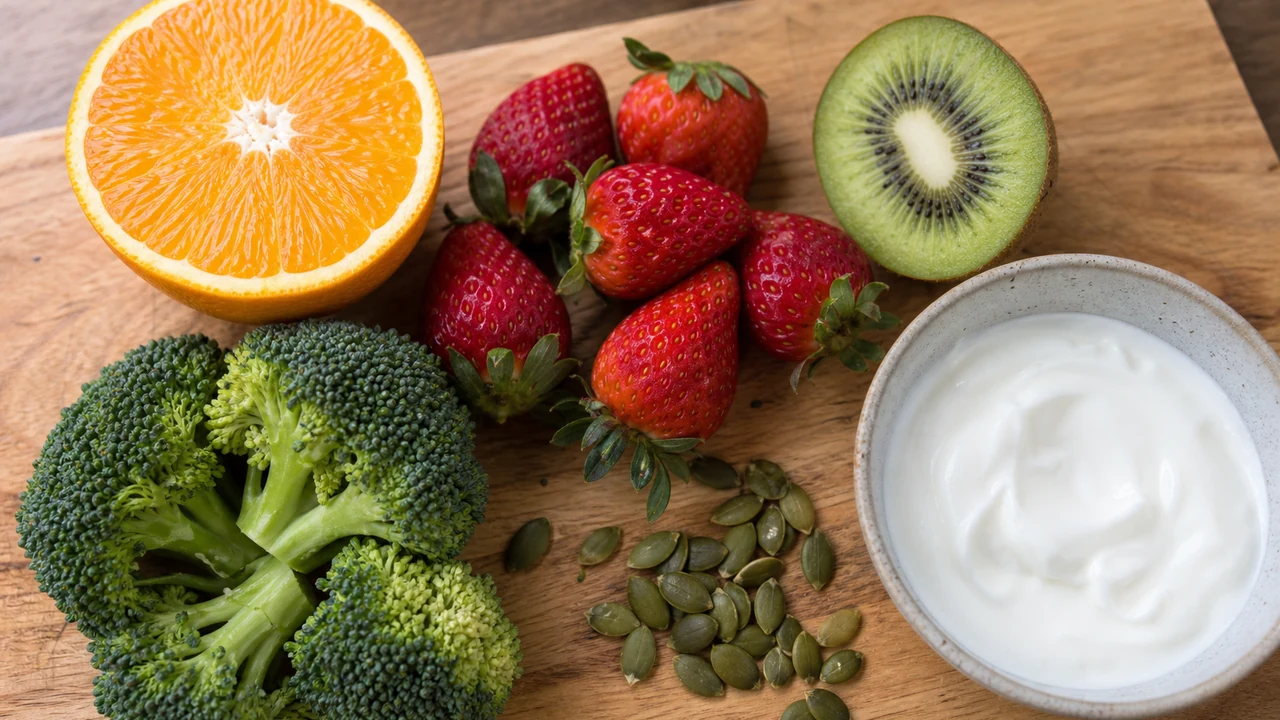
If supplements are the patch, food is the foundation. If you’ve searched for immune-boosting foods for kids, this is that section — with the evidence attached instead of the marketing. These are the nutrients directly linked to immune function and the foods that deliver them — no specialty purchases or superfoods required.
Zinc: Beef, chicken, turkey, fish, lentils, chickpeas, kidney beans, pumpkin seeds, fortified breakfast cereals. Picky eaters often run low on zinc — a child who eats chicken and some beans or fortified cereal regularly is generally covered without supplementation.
Vitamin D: Fatty fish (salmon, mackerel, sardines), egg yolks, fortified milk, fortified orange juice, fortified cereals. Given that natural food sources are limited and sun exposure is seasonal and latitude-dependent, this is the nutrient most likely to need supplemental support — especially for children who eat little fish or live in northern climates through winter.
Vitamin C: Citrus fruits, strawberries, kiwi, bell peppers, broccoli, tomatoes, cauliflower. Food is almost always sufficient here — any child eating a few servings of produce is meeting the daily requirement. A single kiwi exceeds it.
Iron: Red meat, chicken, fish, lentils, spinach (with vitamin C for better absorption), fortified cereals, tofu. Iron deficiency is one of the most common micronutrient deficiencies globally and has clear effects on immune function — more so than most of the supplements actively marketed for immunity. Pediatricians routinely screen for it at well visits.
Prebiotic and probiotic foods: Yogurt with live active cultures, kefir, high-fiber vegetables, oats, bananas, garlic, onions. A substantial share of immune tissue is concentrated in the gut, so gut health and immune function are closely linked — though “the gut is the immune system” oversimplifies a more complex relationship. Yogurt is the most practical entry point for most children — check that the label says “live active cultures.”
Most of these foods pull double duty — meat and legumes cover both zinc and iron, fortified dairy covers vitamin D, and any produce covers vitamin C. It’s worth checking what your child actually eats against that list before reaching for a supplement.
Where to Start: Age-Based Guide
Not sure where to begin? Pick your child’s age below for a prioritized starting point — immune support at six months looks very different from what helps a twelve-year-old.
Where to start based on your child’s age:
Frequently Asked Questions
Final Thoughts
Immune support for children is one of the most marketed areas in family health—and one of the most misunderstood. The natural ways to support kids’ immune system aren’t a supplement stack. This is the practical order I’d use to review the basics, not a medical ranking that fits every child:
- Review sleep. Aim for a consistent schedule within the age-appropriate range.
- Audit the diet. Is your child regularly getting zinc, iron, and vitamin C from food? A varied diet beats any supplement combination. If the diet is genuinely narrow, a basic multivitamin covering RDA levels is a reasonable gap-filler.
- Stay current on vaccines. The childhood vaccination schedule is the highest-evidence immune intervention available — nothing in the supplement aisle comes close.
- Review vitamin D intake. If diet or other risk factors raise a concern, ask your pediatrician whether supplementation or testing is appropriate.
- Treat probiotics as strain-and-outcome specific. LGG has modest evidence for shortening pediatric respiratory infections; that does not mean every blend prevents illness.
That review usually gives you a clearer next step than adding a vaguely labeled “immune blend” to the routine.
This post covers general research on children’s immune health and is not medical advice. Every child is different, and some interventions discussed here may not be appropriate for children with specific health conditions, allergies, or medication interactions. Always consult your child’s pediatrician before starting any supplement. Claims in this post reflect published research — sources include the American Academy of Pediatrics and peer-reviewed literature. Where the evidence is mixed or limited, I’ve said so.